Leicestershire and Rutland ID Guides
Browse by topic or use the filters to find the guide you need.
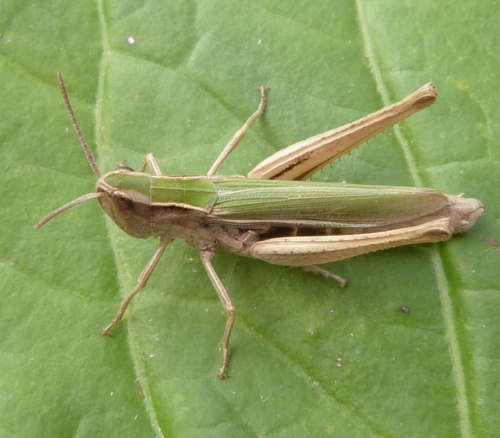
ID Guide to Common Grasshoppers
Grasshoppers have short antennae, distinguishing them from crickets. They are insects of open grassland, particularly where there are areas of short v...
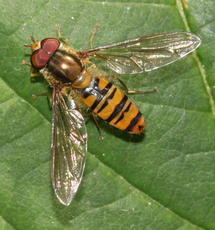
ID Guide to Common Hoverflies
Hoverflies are a family of flies, many of which (though not all) have a yellow and black colour pattern in order to mimic bees and wasps. Whilst they ...
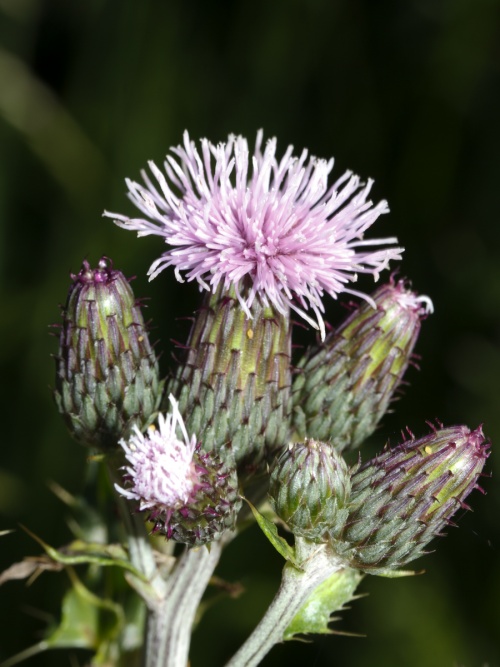
ID Guide to Common Thistles
Thistles are common plants and all are prickly with pink/purple flowers. The four species below are the most common species - other thistle species in...
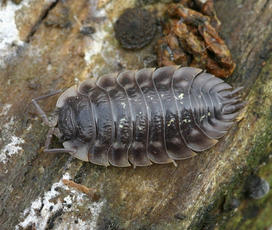
ID Guide to Common Woodlice
Woodlice are crustaceans and related to crabs and lobsters. Though they have evolved to live out of water, they still breathe through a type of gill s...
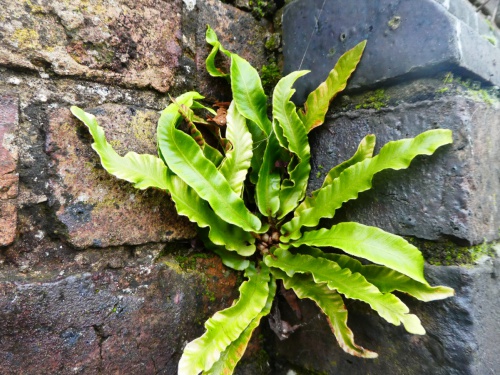
ID Guide to Ferns on Walls
Several ferns have evolved to grow on rocks and cliffs, so man-made walls offer a good alternative habitat. They grow in cracks and crevices, usually ...
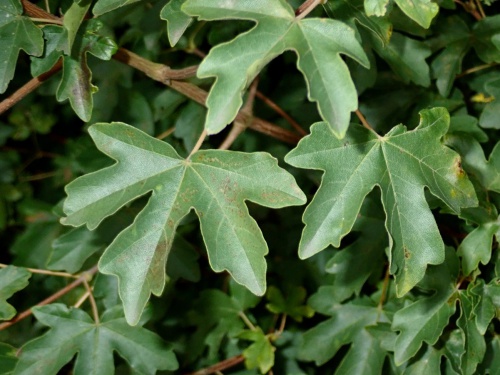
ID Guide to Maples
Maple trees are generally easy to recognise by their lobed and pointed leaves (think of the Canadian national flag) - but how do you know which specie...
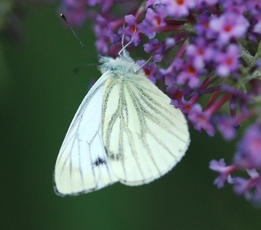
ID Guide to White Butterflies
Though often referred to as 'cabbage whites', there are several species of white butterfly. All are generally common and can often be seen in gardens....
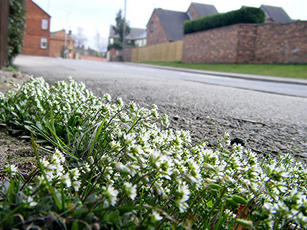
Learn Wildflowers - February
Some wildflowers can be found blooming in any month, but February brings the first true seasonal blooms. Common Whitlow-grass is often the first - a t...

Learn Wildflowers - January
Some wildflowers can be found blooming in any month, others can be easily identified from their leaves so you can learn to identify wildflowers at all...
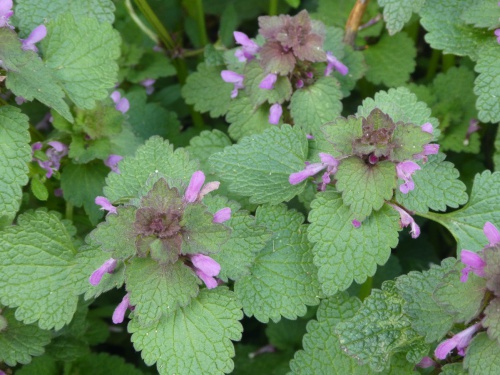
Learn Wildflowers - March
Depending on the weather, more wildflowers begin to bloom in March. Leaf shape, stems and seed-pods are useful features in helping you identify wildfl...